

A development that gives everything back.
We know there are questions. We welcome them. Here are the facts.

T h e F A C T S
Setting the Record Straight
Clear facts matter.
Here is the truth about the Prince Kūhiō Gateway.
MYTH: “This project was influenced because Patti has worked in housing alongside DHHL leadership.”
FACT: Hawaiʻi’s housing field is small, and many professionals — Hawaiian and non-Hawaiian alike — have worked together over the years. Professional familiarity is common and does not determine project outcomes.
All decisions about Gateway are made only by the full DHHL Commission in public meetings.
No single person — including the Chair or Director — has the authority to approve, advance, or deny this or any other project. This ensures transparency and protects beneficiary interests.
»»»»»»»»»»»»»»»»»»»»»»»
MYTH: “The developer is profiting off DHHL.”
FACT: The developer does not receive money from DHHL.
It pays DHHL:
• Ground lease rent
• 50% of net commercial profits
• Revenue share to homestead associations
At the end of the lease, the entire 22.7 acres are gifted to DHHL.
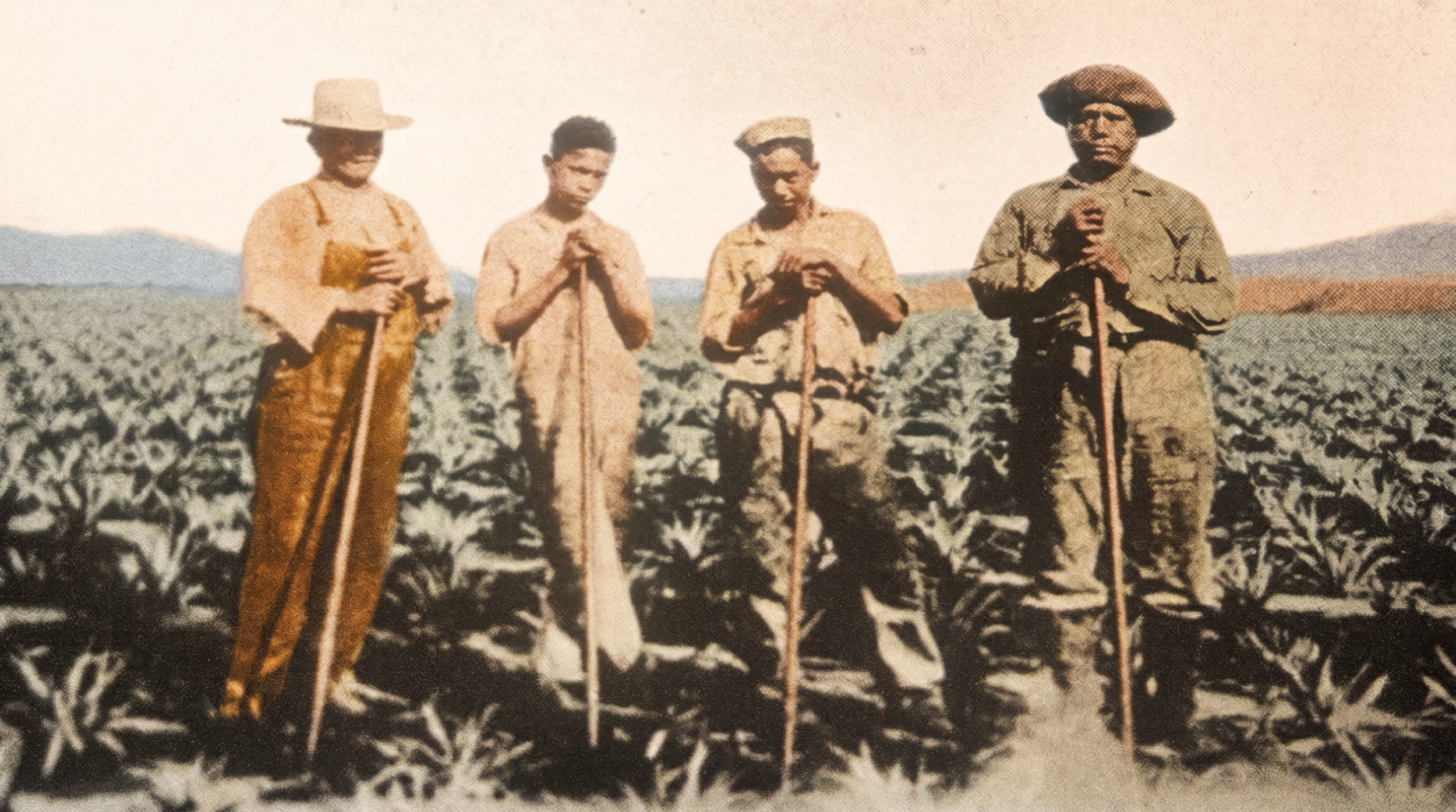

Early Native Hawaiian Homesteaders.
MYTH: “DHHL shouldn’t do commercial projects — it should only build homes.”
FACT: Housing requires infrastructure, and infrastructure requires revenue.
The Hawaiian Homes Commission Act was created not only to distribute land, but to rebuild the lāhui — which includes economic foundations strong enough to sustain housing and community wellbeing.
The Gateway is an income-generating project donation, not a diversion:
DHHL gains revenue
DHHL gains future land
Beneficiaries gain opportunity
Homesteads receive direct benefit
This strengthens DHHL’s ability to build more homes — faster and with greater independence.
»»»»»»»»»»»»»»»»»»»»»»»
MYTH:“This benefits only a few.”
FACT: Benefits include:
• DHHL revenue
• Homestead community revenue
• Jobs
• Entrepreneur support
• Kūpuna housing
• Business incubation
• Youth internships
• Long-term land expansion
»»»»»»»»»»»»»»»»»»»»»»»
MYTH: “The developer keeps the land.”
FACT: At the end of the lease:
The entire 22.7 acres are gifted to DHHL at no cost.
»»»»»»»»»»»»»»»»»»»»»»»
MYTH: “The land is contaminated and unsafe.”
FACT: Environmental review is mandatory and includes
The property undergoes:
Phase I review
Phase II testing
Soil and groundwater sampling
DOH + EPA oversight
Full cleanup at developer’s expense
All remediation is fully documented and must meet DOH standards before proceeding.
The project cannot begin until DOH issues clearance.
»»»»»»»»»»»»»»»»»»»»»»»
MYTH: “The CBRE leasing brochure doesn’t mention DHHL or the land gift. Something doesn’t add up.”
FACT: CBRE Hawaii is the commercial leasing agent for the Gateway. Their brochure is a standard real estate marketing document for prospective business tenants — its job is to present the retail opportunity. The mission, the DHHL relationship, the annual profit returns, and the land gift are fully documented here. The commercial success of the Gateway is what makes all of it possible. These are the same project, described for two different audiences.
»»»»»»»»»»»»»»»»»»»»»»»
MYTH: “DHHL should build homes, not shopping centers.”
FACT: DHHL needs an estimated $6 billion to address the full waitlist. State appropriations alone cannot close that gap. Section 207(c)(1)(B) of the Hawaiian Homes Commission Act explicitly authorizes commercial development on Hawaiian Home Lands as a revenue tool for the Trust. The Gateway generates ground lease rent, 50% of net profits annually, and a fully built 22.7-acre property at the end — all at zero cost to DHHL. More revenue means more homes built, faster.
»»»»»»»»»»»»»»»»»»»»»»»
MYTH: “This project was approved behind closed doors.”
FACT: The Gateway cannot move forward without a public vote by the full Hawaiian Homes Commission — a meeting that will be publicly noticed and open to every beneficiary and community member to attend and testify. No single person has the authority to approve this project alone. We encourage participation. That accountability is exactly what makes this project worth doing right.
DHHL Commission meeting notices are posted publicly at DHHL Commission Meetings.