

A development that gives everything back.
Here is what that means.
THE HISTORY
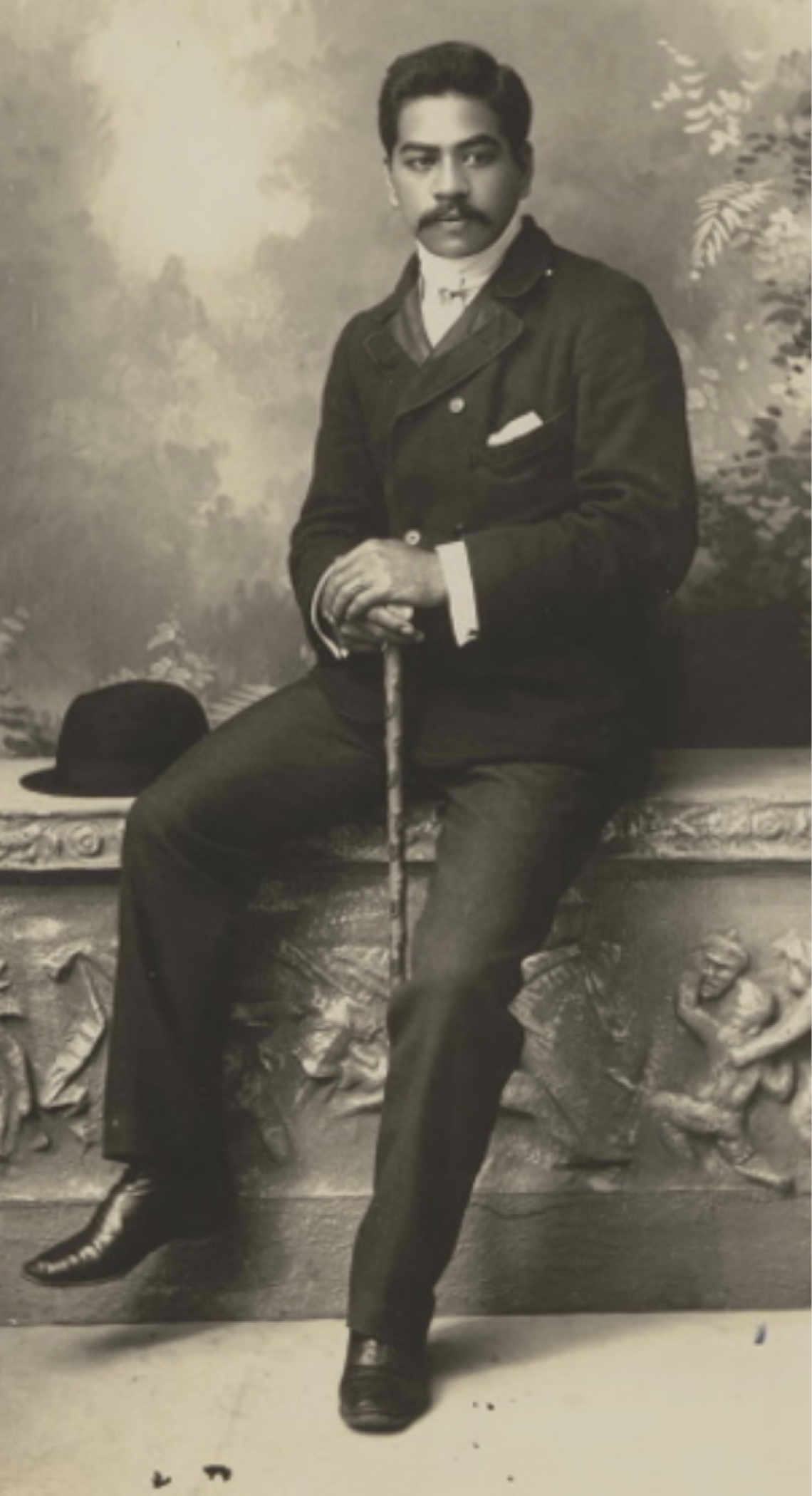
In 1921, Congress passed the Hawaiian Homes Commission Act. Prince Jonāh Kūhiō Kalanianaʻole — the man this gateway honors — fought for that law because he understood that land was not just property. It was survival. Culture. The foundation of a people’s future.
The law passed. The land was set aside. And then, slowly, the promise eroded. Today, more than 29,000 Native Hawaiian beneficiaries remain on the DHHL waitlist. Some have waited decades. Some have died waiting.
Prince Kūhiō Gateway begins with that history and asks: what can we build, right now, with what we have, that starts to make it right?
Patti Ann’s Story
Patti Ann Tancayo has spent more than 30 years developing affordable housing in Hawaiʻi. She is a Native Hawaiian beneficiary who has been on the DHHL waitlist herself for over 25 years. She is president of Kalanianaʻole Development and one of the only Native Hawaiian wahine to have led a commercial development of this scale in the history of these islands.
She did not come to this project as an outsider. She came as someone with everything at stake — a beneficiary who knows what the wait costs, a developer who knows what it takes to build, and a Hawaiian woman acting on her kuleana to do something about both.


A Hawaiian homesteader’s hale on Molokaʻi, circa 1922


WHAT GIVES BACK — Every year
The Gateway’s commercial revenue is the mission’s engine. Without it, nothing else is possible.
Ground lease rent returns to DHHL annually. Fifty percent of net commercial profits return to the Hawaiian Homes Trust corpus every year the center operates — a recurring, contractual obligation, not a one-time fee. The corpus is the financial foundation that allows DHHL to build homes, develop infrastructure, and serve the families still waiting.
The Gateway is structured to feed that foundation every single year it operates.

WHAT GIVES BACK — For kūpuna
Integrated into the development are 60–80 affordable housing units designated for Native Hawaiian kūpuna. Elders who built the homestead communities. Who kept the language alive in their kitchens and their songs. Who have often been the last to be served and the first to be displaced.
Their housing is not an add-on. It is a promise written into the structure of this project from day one.
“Our kūpuna have been waiting longer than any of us. The least we can do is make sure they have a safe, beautiful, affordable place to live near their families and their land. That is not optional in this project. It is a promise.”
— Patti Ann Tancayo, President, Kalanianaʻole Development
WHAT GIVES BACK — For Hawaiian entrepreneurs
The Gateway includes dedicated subsidized retail spaces and a $100,000 Pahu Manō entrepreneurial fund for Native Hawaiian business owners. Because economic opportunity on Hawaiian land should reach Hawaiian people first.
WHAT GIVES BACK — The land itself
This is the part that has never been done before.
The land arrives requiring full environmental remediation — completed at the developer's expense, under DOH and EPA oversight. What was once fallow, unproductive land is transformed into a fully operational, income-producing community asset. And then given to the Hawaiian Homes Trust — free and clear.
Not sold. Not re-leased at market rate.
Given. Free, clear, and forever.
A DEVELOPMENT THAT GIVES EVERYTHING BACK.
“At the end of this lease, 22.7 acres goes to DHHL. Not sold. Not re-leased at market rate. Given. A fully built, fully operational, income-producing property — free and clear. I want people to sit with what that means. That has never happened before in Hawaiʻi. I want it to happen again.”
— Patti Ann Tancayo, President, Kalanianaʻole Development